Ashwagandha Gummies vs Capsules: Pros and Cons for Stress Relief
By Youtheory | Published: 2026-07-28
Category: Comparisons
Compare ashwagandha gummies and capsules to find the best form for your stress relief needs. Explore pros, cons, taste, absorption, and convenience.
Ashwagandha has become one of the most popular adaptogens for managing stress, improving sleep, and supporting overall vitality. With its rise in popularity, consumers now have multiple delivery formats to choose from—most commonly gummies and capsules. But which one is right for you?
In this comparison, we break down the pros and cons of ashwagandha gummies versus capsules, covering taste, absorption, dosage control, convenience, and ingredient quality. Whether you're new to adaptogens or looking to switch forms, this guide will help you make an informed decision.
Taste and Palatability
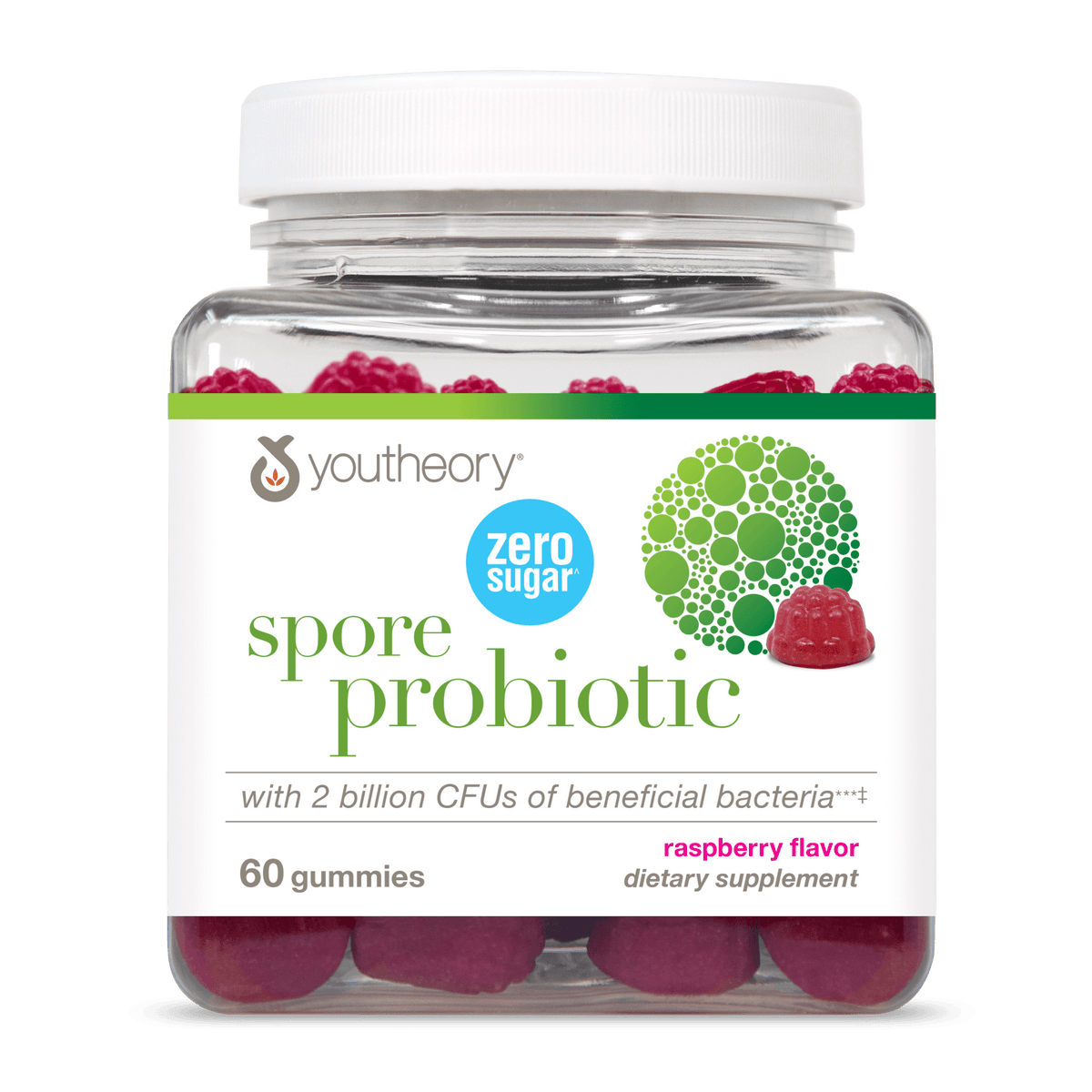
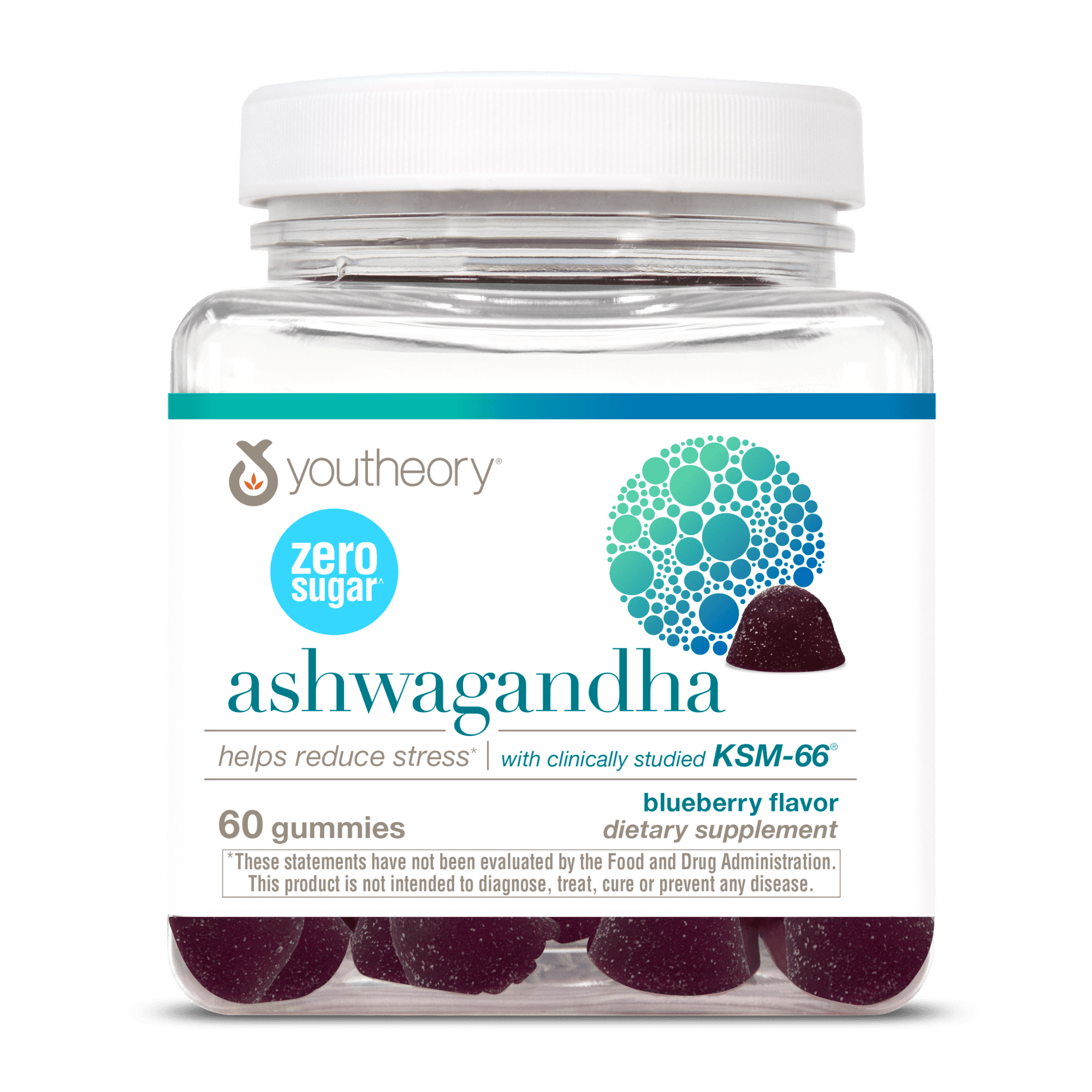
One of the biggest differences between gummies and capsules is taste. Ashwagandha has a distinct bitter, earthy flavor that many find unpleasant. Gummies mask this taste with sweeteners and fruit flavors, making them much more palatable for those sensitive to bitter herbs. For example, Ashwagandha Gummies are often formulated with natural flavors to create a pleasant chewing experience.
Capsules, on the other hand, are tasteless and odorless if swallowed whole. They are ideal for people who prefer not to taste their supplements at all. However, if you dislike swallowing pills, gummies offer a clear advantage.
- Gummies: pleasant taste, easy to chew, ideal for those who dislike bitter herbs.
- Capsules: no taste, but may be difficult for some to swallow.
Absorption and Bioavailability
When it comes to how your body absorbs ashwagandha, both forms can be effective, but there are nuances. Capsules typically contain powdered root extract, which must be broken down in the digestive tract. Some capsules include black pepper extract (piperine) to enhance absorption, which can significantly boost bioavailability.
Gummies are chewed and partially digested in the mouth, potentially allowing some absorption through the oral mucosa. However, they often contain added sugars and binders that may slow down overall digestion. For those seeking rapid absorption, capsules with piperine may be more efficient. Yet, for consistent daily use, both forms deliver the active compounds effectively.
- Capsules with piperine offer enhanced bioavailability.
- Gummies may have slower absorption due to added ingredients.
Dosage Control and Flexibility
Capsules provide precise, standardized dosages—typically 300–600 mg per capsule. This makes it easy to adjust your intake based on your needs or your healthcare provider's recommendation. You can take half a capsule if needed, though it may be messy.
Gummies usually come in fixed doses (e.g., 100–200 mg per gummy), offering less flexibility. If you need a higher dose, you may have to eat multiple gummies, which increases sugar intake. For those who require exact dosing, capsules are often preferred.
- Capsules: precise dosing, easy to adjust.
- Gummies: fixed dose per piece, less flexible.
Convenience and Portability
Both forms are portable, but gummies have an edge for on-the-go use—no water needed. They are great for travel, work, or anytime you need a quick stress-relief boost. However, gummies can melt in heat or stick together in humid conditions.
Capsules are compact and stable, but require water to swallow. They are less likely to be affected by temperature. For daily routines, capsules are simple; for active lifestyles, gummies may be more convenient.
- Gummies: no water needed, but sensitive to heat.
- Capsules: stable, require water.
Added Ingredients and Sugar Content
Gummies often contain added sugars, syrups, and pectin or gelatin to achieve their texture. While many brands now offer low-sugar or zero-sugar options, it's important to check labels. For example, Ashwagandha Gummies may include natural flavors and sweeteners to improve taste.
Capsules typically contain only the herb and a filler (like rice flour or cellulose). They are sugar-free and suitable for those on low-carb or keto diets. If you're watching your sugar intake, capsules are the cleaner choice.
- Gummies: may contain added sugars, flavors, and binders.
- Capsules: minimal ingredients, sugar-free.
Which Form Is Right for You?
The choice ultimately depends on your personal preferences and lifestyle. If you dislike swallowing pills or want a tasty, convenient option, gummies are a great entry point. If you prioritize precise dosing, minimal additives, and higher absorption, capsules may be better.
Many people find success with either form, as long as they choose a high-quality product from a reputable brand. For stress relief, consistency matters more than the delivery method.
- Choose gummies for taste and convenience.
- Choose capsules for purity and dosing control.
Whether you prefer the chewable convenience of gummies or the precise dosing of capsules, ashwagandha can be a valuable addition to your stress management routine. If you're ready to try a tasty, easy-to-take option, explore our Ashwagandha Gummies to see how they fit into your daily wellness regimen.