Probiotic Gummies vs Capsules: The Ultimate Buying Guide for Gut Health
By Youtheory | Published: 2026-07-28
Category: Buying Guides
Compare probiotic gummies and capsules to find the best supplement for your gut health. Learn about spore probiotics, CFU counts, and more.
Probiotics are live microorganisms that offer numerous health benefits, especially for your digestive system. With the growing popularity of probiotic supplements, choosing the right form—gummies or capsules—can be overwhelming. This buying guide will help you understand the differences, pros and cons, and what to look for when selecting the best probiotic supplement for your needs.
Whether you're new to probiotics or looking to switch forms, we'll cover key factors like strain diversity, CFU potency, shelf stability, and additional ingredients. By the end, you'll know which option aligns with your lifestyle and health goals.
Why Probiotics Matter for Gut Health
Probiotics help maintain a healthy balance of gut bacteria, which is essential for digestion, immune function, and even mental well-being. A daily probiotic supplement can support your microbiome, especially after antibiotic use, during travel, or when your diet lacks fermented foods. However, not all probiotics are created equal—form and delivery matter.
When shopping for a probiotic, you'll encounter gummies and capsules as the most common formats. Both can be effective, but they differ in ingredients, stability, and ease of use. Understanding these differences will help you make an informed choice.
Probiotic Gummies: Pros and Cons
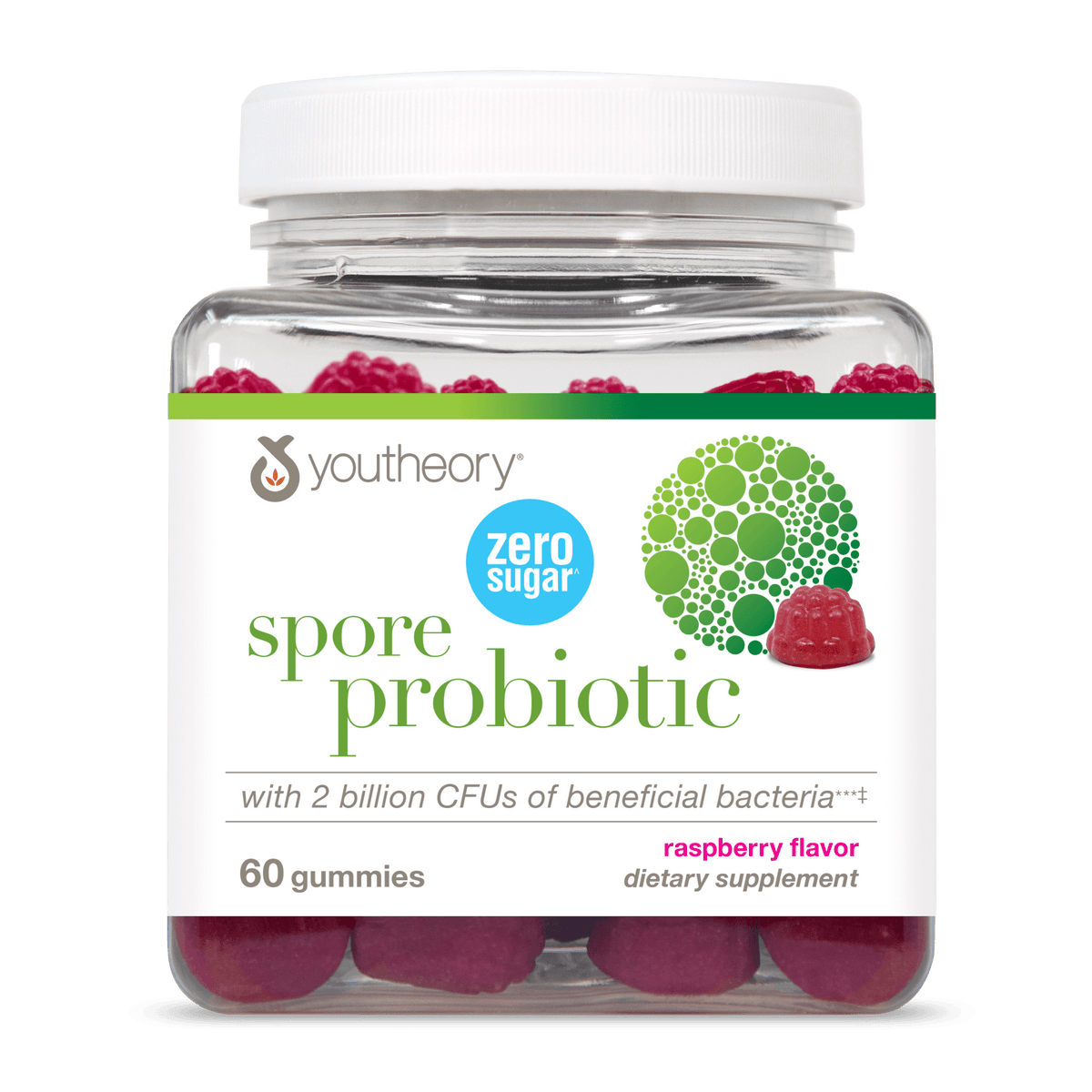
Probiotic gummies are a tasty and convenient option, especially for those who dislike swallowing pills. They often contain added sugars or sweeteners to improve flavor, and may include extra vitamins or botanicals. However, gummies typically have a shorter shelf life because moisture and heat can degrade live bacteria. They also tend to have lower CFU counts compared to capsules.
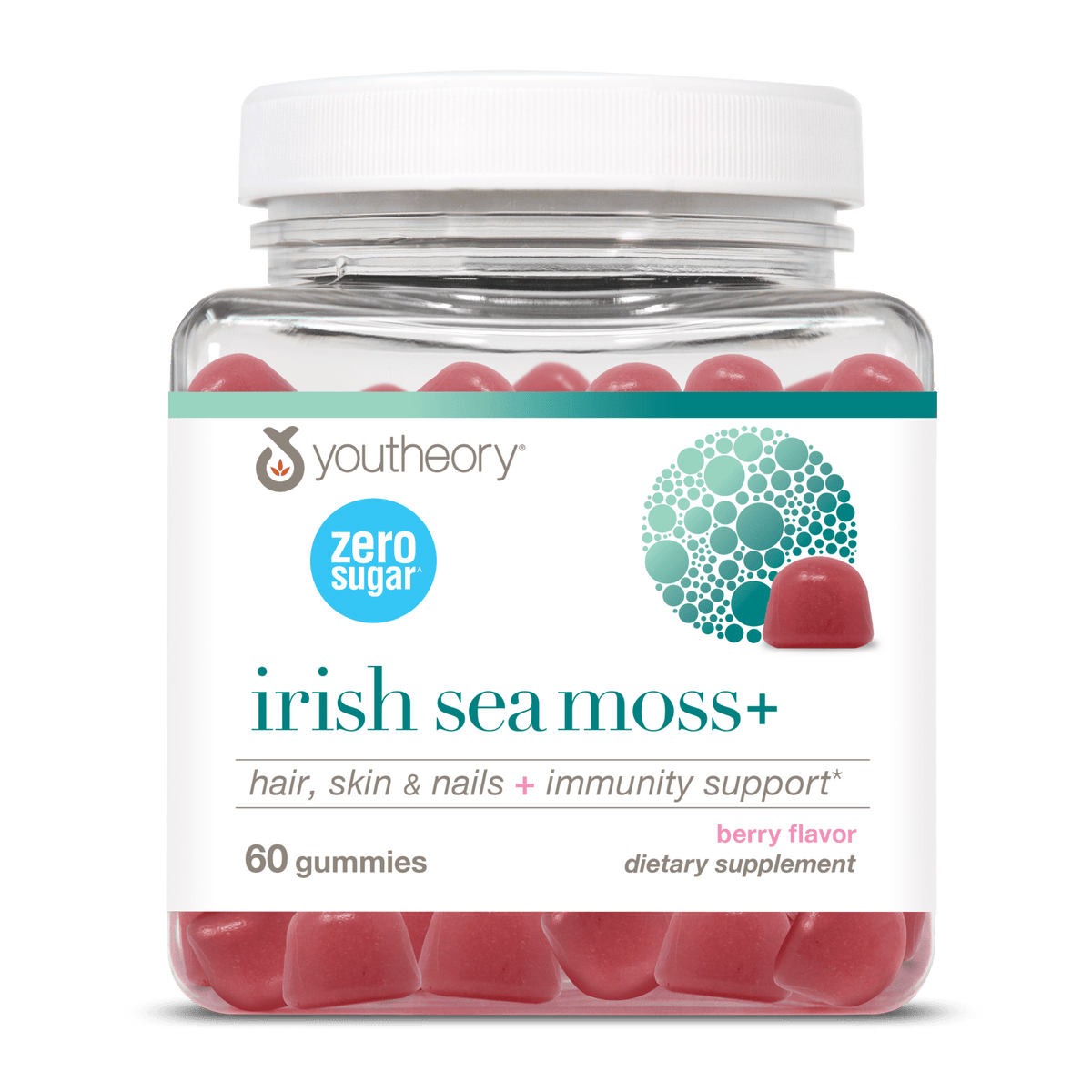
If you choose gummies, look for products with a stable delivery system, such as those using spore-forming bacteria or advanced encapsulation. For example, Irish Sea Moss Zero Sugar Gummies offer a sugar-free alternative that supports gut health with prebiotic fiber, though they are not a direct probiotic. For a true probiotic gummy, check the label for live cultures and storage instructions.
- Taste and texture appeal to picky eaters
- Often contain added sugars (check labels)
- Lower CFU counts and shorter shelf life
Probiotic Capsules: Pros and Cons
Capsules are the most common form of probiotics and offer higher CFU counts, better stability, and more strain variety. They are often enteric-coated to protect bacteria from stomach acid, ensuring more reach the intestines. Capsules are also easier to store and have a longer shelf life. However, some people find them difficult to swallow, and they may contain gelatin or other allergens.
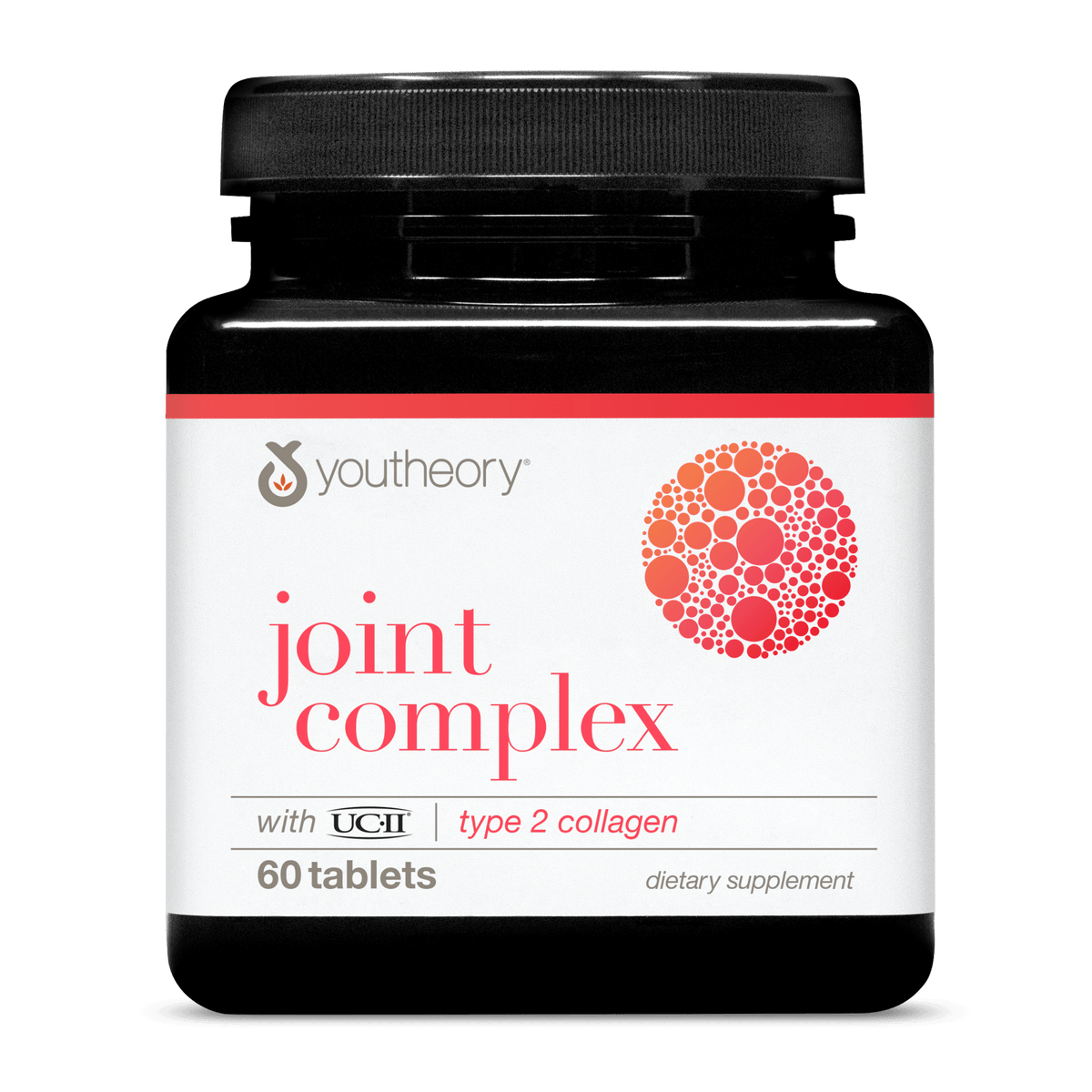
For a high-quality capsule option, consider Spore Probiotic Capsules, which use spore-forming Bacillus strains that are naturally resistant to heat, acid, and shelf storage. Spore probiotics do not require refrigeration and are ideal for travel. Another excellent choice is Joint Complex (UC2) Tablets, which combine joint support with probiotics for added digestive benefits.
- Higher CFU counts and better stability
- Enteric coating improves survival
- May be harder to swallow for some
Key Factors to Consider When Buying Probiotics
When comparing probiotic supplements, focus on the following: CFU (colony-forming units) – look for at least 1 billion per serving; strain diversity – multiple strains target different health concerns; shelf stability – check if refrigeration is needed; and additional ingredients – some products include prebiotics or herbs for synergistic effects.
Also consider your specific health goals. For general gut health, a multi-strain capsule like Spore Probiotic Capsules is a solid choice. If you prefer gummies, ensure they are from a reputable brand with guaranteed live cultures. Always check the expiration date and storage instructions to maintain potency.
- CFU count: 1–10 billion is typical for daily use
- Look for strains like Lactobacillus, Bifidobacterium, or Bacillus
- Prebiotic fiber (e.g., inulin) can enhance probiotic benefits
Gummies vs Capsules: Which Is Better for You?
Ultimately, the best form depends on your lifestyle and preferences. If you have trouble swallowing pills or want a tasty supplement, gummies are a good option—but be mindful of sugar content and lower CFU. If you prioritize potency, stability, and strain variety, capsules are superior. Spore probiotics in capsule form offer the best of both worlds: high survival and no refrigeration.
For a comprehensive approach, you might combine a probiotic capsule with a prebiotic-rich diet or supplement. Remember that consistency is key—choose a form you'll take daily. Whether you opt for gummies or capsules, quality matters. Look for third-party testing, clear labeling, and a brand you trust.
When it comes to probiotic gummies vs capsules, there is no one-size-fits-all answer. Capsules generally offer higher potency and stability, making them a reliable choice for most people. Gummies can be a pleasant alternative if you prioritize taste and convenience. For a top-tier capsule probiotic, explore the Spore Probiotic Capsules—they deliver robust gut support with spore-forming technology. Visit Youtheory to find the perfect probiotic for your wellness journey.